Injured in a Bike Crash? Contact a Bicycle Accident Lawyer in Denver

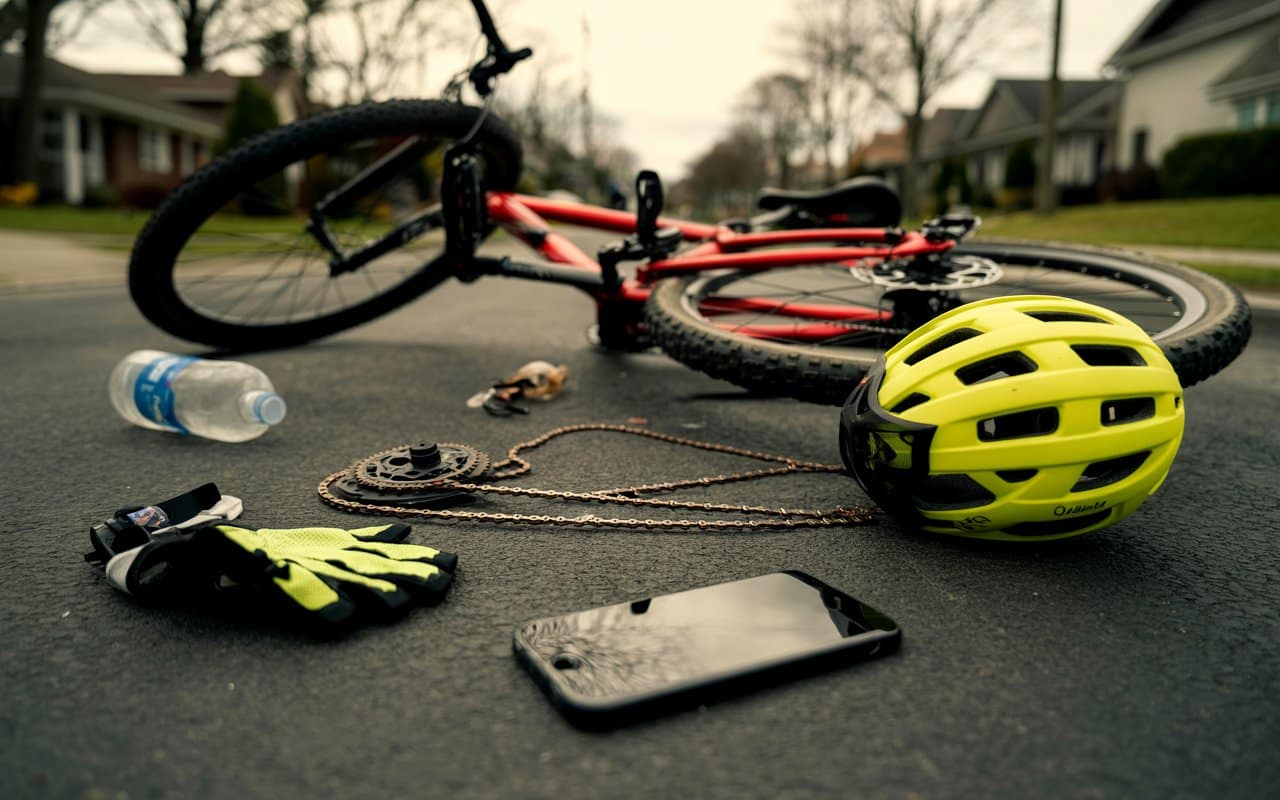

A bicycle crash can turn an ordinary commute or weekend ride into a medical, financial, and legal problem in a matter of seconds. One moment you are rolling through a Denver intersection or coasting down a neighborhood street, the next you are on the pavement, disoriented, hurt, and trying to figure out what just happened. For many riders, the first real shock comes after the ambulance ride or urgent care visit, when the bills start arriving and the insurance adjuster calls sooner than expected.
That is usually the point when legal advice stops feeling optional.
A serious bike collision is rarely just about a bent wheel or a bruised shoulder. It can mean weeks off work, surgery, a concussion that lingers longer than anyone predicted, or a shoulder, wrist, knee, or back injury that changes daily life. If a driver, company, property owner, or another negligent party caused the crash, a Bicycle Accident Lawyer Denver residents trust can help protect your claim before evidence disappears and insurance companies shape the story in their favor.
Why bicycle claims are often harder than people expect
People sometimes assume bicycle accident cases are straightforward. A rider gets hit, the driver pays, the case closes. Real cases are rarely that tidy.
Bike crashes tend to produce severe injuries, even at relatively low vehicle speeds. They also create disputes that car-on-car cases do not always have. Drivers often say they never saw the cyclist. Insurers question visibility, lane positioning, traffic signals, lighting, speed, and whether the rider was wearing reflective gear. If there were no independent witnesses, the rider may be the only person telling what happened from the bike’s point of view.
There is also a perception problem. Some adjusters and defense lawyers lean on old stereotypes about cyclists being unpredictable, hard to see, or willing to ignore traffic rules. That does not mean those arguments are true, but it does mean they show up often enough to matter. A good lawyer understands how to rebut those assumptions with evidence, road design details, scene photos, medical records, electronic data, and witness testimony.
Denver adds its own layer of complexity. The city has an active cycling culture, expanding bike infrastructure, busy urban corridors, rideshare traffic, delivery vehicles, construction zones, and weather swings that can change road conditions in a single afternoon. Crashes happen in intersections, bike lanes, parking lane conflict zones, residential streets, trail crossings, and mountain-adjacent roads where motorists may not expect bike traffic. Each setting raises different liability questions.
The first days after a crash can shape the entire case
What happens in the first 48 hours often matters more than people realize. Evidence is freshest then. Skid marks fade, bikes get repaired, surveillance footage is overwritten, and witnesses move on. Meanwhile, pain can evolve. Many riders walk away from a crash convinced they are mostly fine, only to develop neck pain, headaches, numbness, dizziness, or serious orthopedic symptoms by the next day.
If you are hurt, getting medical care is not just about the claim. It is about your health. Head injuries, internal injuries, and soft tissue trauma can be missed in the chaos after impact. From a legal standpoint, prompt treatment also creates a record that connects your injuries to the collision. Gaps in treatment are one of the first things insurance companies use to argue that the injury was minor or unrelated.
There is another practical issue that experienced lawyers see all the time. Many riders are too reasonable right after a crash. They tell the driver, police officer, or adjuster, “I’m okay,” because they are rattled, embarrassed, or simply trying to keep things calm. Later, when the injury picture becomes clearer, those early statements are used against them. That does not ruin a case, but it can complicate it.
What a Bicycle Accident Lawyer Denver riders call after a crash actually does
Good representation is not just filing paperwork and negotiating a number. In a strong bicycle injury case, the lawyer starts by reconstructing the event and identifying every viable source of recovery.
That may involve reviewing the police report, photographing the scene, preserving the damaged bike and helmet, collecting nearby camera footage, speaking with witnesses, and obtaining vehicle repair records or black box data when available. If a commercial vehicle was involved, there may be company records, GPS logs, dispatch information, or driver qualification files worth preserving quickly. If poor road maintenance contributed to the crash, notice requirements and deadlines can become critical.
Lawyers also work closely with medical records and billing, which sounds routine until you have seen how often insurers cherry-pick phrases from charts to downplay a claim. A seasoned attorney knows the difference between a medical note written in haste and a meaningful clinical finding. They can help assemble a coherent picture of diagnosis, treatment, prognosis, and future impact.
Then there is insurance. A bicycle crash may trigger multiple policies, not just the at-fault driver’s liability coverage. Depending on the facts, there may be uninsured or underinsured motorist coverage through an auto policy in your household, medical payments coverage, umbrella coverage, or commercial insurance. Riders are often surprised to learn they may have coverage available even though they were not inside a car.
Common ways bike crashes happen in Denver
The pattern matters because the mechanism of the crash often points toward liability. A right hook at an intersection raises different issues than a dooring incident on a narrow city street. A collision in a marked bike lane may raise visibility and lane encroachment questions, while a crash near a work zone may involve signage, road design, or contractor negligence.
One of the most common scenarios is the turning vehicle. A driver looks for cars, not bikes, and turns across the cyclist’s path. The driver later insists the bike “came out of nowhere,” even though the rider was traveling Bicycle Accident Lawyer Denver predictably and had the right of way. Another frequent pattern is the left-turn crash, where a motorist misjudges the cyclist’s speed or fails to yield.
Dooring cases can be deceptively serious. A rider can be thrown directly into traffic or suffer facial injuries, wrist fractures, shoulder tears, and head trauma from a sudden impact with an open car door. These cases often seem simple, but they still require proof, especially if the parked occupant denies opening the door unsafely.
Distracted driving has also changed the landscape. Phones, in-dash systems, and delivery apps have created more moments where a driver’s eyes and attention drift from the road. Cyclists are especially vulnerable to that split-second inattention because they present a smaller visual profile than cars.
The injuries that change the value of a claim
Not every injury is visible, and not every serious injury looks dramatic on day one. In bicycle litigation, some of the most consequential claims involve injuries that unfold over time.
A concussion is a good example. A rider may never lose consciousness, but still develop headaches, light sensitivity, sleep disruption, concentration problems, irritability, and memory issues. These symptoms can interfere with work long after scrapes and bruises heal. Insurance companies sometimes resist these claims because imaging may look normal, but normal imaging does not mean the symptoms are imagined.
Orthopedic injuries are also common and expensive. Wrist fractures, clavicle fractures, shoulder injuries, torn ligaments, spinal disc injuries, and knee damage can lead to surgery, physical therapy, lost wages, and permanent limitations. Someone who works with their hands, lifts at work, or spends long hours at a desk may feel the impact in very different ways. A claim should account for that real-life difference, not just the diagnosis code.
Scarring, dental injury, and facial trauma deserve careful attention as well. For some people, especially younger riders or those in public-facing professions, these injuries carry a lasting emotional and professional cost that is easy for insurers to undervalue.
What to do before speaking at length with an insurance adjuster
You do not need to approach the process like a seasoned litigant, but you do need to be careful. Insurance adjusters are trained to gather statements early, before the medical picture is settled and before claimants understand what the case may be worth.
If you have been hurt, a few early moves can protect both your health and your legal position:
- Get medical evaluation promptly, even if symptoms seem manageable at first.
- Preserve the bicycle, helmet, clothing, lights, and any damaged gear in the same condition.
- Take photos of injuries, the bike, the vehicle, and the crash location as soon as you can.
- Avoid giving a recorded statement or signing broad medical releases before getting legal advice.
- Keep a simple written record of pain levels, appointments, missed work, and daily limitations.
Those steps are not about inflating a claim. They are about preventing avoidable disputes later.
Fault is not always all or nothing in Colorado
Many injured cyclists worry that one mistake on their part destroys the case. That is usually not how these claims work.
Colorado follows a modified comparative negligence system. In practical terms, if an injured person is partly at fault, compensation may be reduced by that percentage of fault. If the injured person reaches the legal threshold for being more at fault than the defendant, recovery may be barred. That framework matters in bicycle cases because insurers often try to assign blame to the rider, sometimes aggressively.
Maybe the cyclist moved left to avoid debris. Maybe the rear light was weak at dusk. Maybe the rider entered the intersection on a stale yellow and the driver accelerated a turn. Real crashes are messy, and fault is often shared in some measure. The presence of some rider negligence does not automatically erase the driver’s responsibility.
This is where judgment matters. A lawyer who understands bike cases will know when to push back hard and when to acknowledge a minor weakness without letting it swallow the claim. That balance can make a meaningful difference in settlement negotiations and, if necessary, at trial.
Damages are bigger than the first stack of bills
People often underestimate the full value of a serious bicycle injury claim because they focus on what is easiest to count right away. Emergency care, imaging, follow-up visits, and a few missed paychecks are only part of the picture.
A well-developed claim may include:
- Past and future medical treatment, including therapy, surgery, medication, and specialist care.
- Lost income, reduced earning capacity, and the economic effect of time away from work.
- Pain, physical limitations, emotional distress, and loss of enjoyment of normal activities.
- Property damage, including the bike, helmet, electronics, clothing, and accessories.
- Out-of-pocket costs such as transportation to treatment or home support during recovery.
Future damages are where experience counts. A shoulder injury that “should improve” may still require injections or surgery months later. A Bicycle Accident Lawyer Denver concussion may interfere with work performance even after formal treatment ends. A fused wrist or chronic back issue can change recreation, parenting, and work for years. Claims that settle too early often miss these longer-term consequences.
Cases involving government entities need special attention
Some Denver bicycle crashes involve dangerous road conditions, poor signage, obstructed sight lines, defective bike lane design, or negligent maintenance. When a public entity may be involved, the legal rules often get tighter and the deadlines shorter. You may need to give formal notice within a limited period, and missing that step can damage or destroy an otherwise valid claim.
These cases also require careful analysis because not every bad roadway condition creates a viable claim. Government immunity issues can be complicated. What matters is not only that the road felt unsafe, but whether the facts fit within a legal basis for liability. This is not the kind of issue to sort out casually weeks or months later.
When the at-fault driver is uninsured, underinsured, or leaves the scene
Hit-and-run collisions are brutal in a different way. The injured rider is left not only with medical problems but with the fear that nobody will pay for them. The same concern comes up when the driver has only minimal insurance.
That is often the moment people learn how important uninsured and underinsured motorist coverage can be. If there is an auto policy in your household, even if you were riding a bicycle at the time, that coverage may be relevant. The details depend on the policy language and the facts, but it is an avenue that should be reviewed carefully.
These claims can feel adversarial in an unexpected way because you may be dealing with your own insurer while still having to prove the driver’s fault and the extent of your damages. People assume their own carrier will simply step in and be fair. Sometimes that happens. Often, the claim is still evaluated through a skeptical insurance lens.
Why timing matters more than most people think
There is a temptation to wait, especially if you are trying to see whether the pain settles down or you hope the insurer will act reasonably. Delay creates problems. Witnesses become harder to find. Video disappears. Physical evidence gets repaired or thrown away. Medical narratives become less clear. Deadlines creep up faster than expected.
Colorado claims are subject to filing deadlines, and the exact time limit can depend on the facts of the case and who is involved. Some claims must move much faster than people assume. Waiting until a deadline is close also weakens your lawyer’s ability to investigate thoroughly and negotiate from a position of strength.
There is another timing issue that does not get enough attention. The defense starts building its case early. If you wait six months to get advice, the insurer may already have the police report, scene photos, vehicle inspection, witness statements, and your recorded statement, while you have little more than a folder of bills. That imbalance is avoidable.
Choosing the right lawyer after a Denver bike crash
Not every personal injury lawyer understands bicycle cases well. That matters. Bike claims have their own physics, injury patterns, traffic dynamics, and cultural assumptions. The lawyer handling your case should be comfortable talking about lane positioning, visibility, road design, helmet arguments, rider conduct, and the difference between what sounds plausible to a non-cyclist and what actually happens on the street.
Experience shows up in small but important ways. A lawyer with real bike case experience will usually ask better early questions. Where was the rider in the lane? Was there a bike lane and was it blocked? Were there parked cars? What was the light cycle doing? Was the rider using daytime running lights? Was there road rash on one side of the body that helps show angle of impact? Was the helmet cracked, and if so, where? Those details can be the difference between a claim that looks uncertain on paper and one that becomes compelling.
It is also fair to ask practical questions. Who will actually handle the file day to day? How often will you get updates? What happens if treatment continues longer than expected? Is the firm prepared to litigate if the insurer refuses to make a serious offer? The answers tell you a great deal.
Settlement can be the right outcome, but only if the groundwork is solid
Most injury claims resolve before trial, and there is nothing wrong with that. A good settlement can spare months of stress and deliver compensation when it is needed most. The problem is not settlement itself. The problem is cheap settlement driven by incomplete proof or early pressure.
Insurers often make modest early offers while the claimant is still in pain, missing work, and anxious about bills. It is an effective tactic because people need relief. Once a release is signed, though, the case is over. If your symptoms worsen, surgery is recommended, or your lost income grows, there is usually no reopening the claim.
A strong lawyer does not simply reject offers out of reflex. They build leverage. They gather records, understand future treatment risks, document losses thoroughly, and present the case in a way that makes a low offer harder to defend. Sometimes that produces a fair resolution quickly. Other times it requires filing suit to show the defense that the case will not be discounted into submission.
The real reason people call a lawyer
It is not because they want to be litigious. Most injured cyclists call when they realize they are trying to heal while navigating a system built around minimizing payouts. They are tired, hurting, worried about work, and unsure whether they are being handled fairly.
A bicycle accident claim is ultimately about restoring balance after someone else’s negligence disrupted your life. Money cannot undo a crash. It can, however, pay for treatment, replace lost income, account for pain and limitations, and give you room to recover without carrying costs that should never have fallen on you in the first place.
If you were injured in a Denver bike crash and another party may be at fault, speaking with a Bicycle Accident Lawyer Denver riders rely on is a practical next step. Early legal advice can preserve evidence, clarify your options, and keep a preventable mistake from weakening a valid claim. When injuries are real and the stakes are high, that guidance can make all the difference.
CGH Injury Lawyers
Address: 2701 Lawrence St Ste 201, Denver, CO 80205
Phone number: +17206698062
FAQ About Bicycle Accident Lawyer Denver
How much compensation for a cycling accident?
UK bicycle accident compensation payouts typically range from £2,000 for minor soft-tissue injuries to over £200,000 for severe, life-altering trauma, calculated using Cycle Accident Compensation Calculator tools.
Who is at fault if a car hits a bicycle?
Fault in a car-and-bicycle collision depends on the specific actions of both parties and whether either person was negligent by breaking traffic laws.
What percentage do accident attorneys usually take?
Accident attorneys usually take 33% to 40% of your final settlement or court award.